Print
Print
 Create flyer
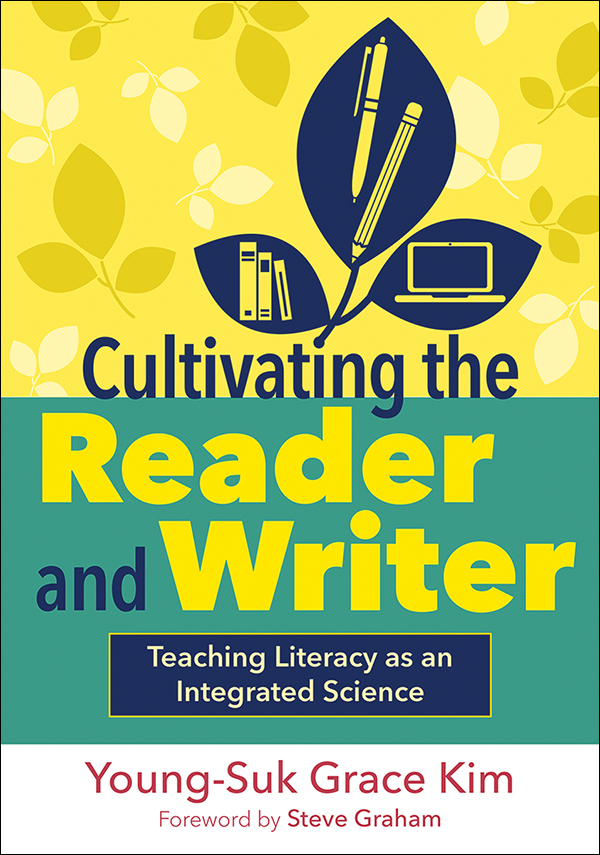
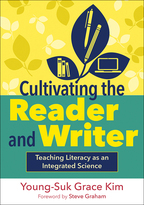
Cultivating the Reader and Writer
Teaching Literacy as an Integrated Science
Young-Suk Grace Kim
Foreword by Steve Graham
 Request a free digital professor copy on VitalSource ?
I. The Science of Reading
1. Reading Products, Processes, and Component Skills and Knowledge 
2. Direct and Indirect Effects Model of Reading
3. Structural Relations among Skills and Knowledge According to DIER
4. Implications of DIER
5. Application of DIER to Diverse Learners
II. The Science of Writing
6. Writing Products, Processes, and Component Skills and Knowledge
7. Direct and Indirect Effects Model of Writing
8. Structural Relations among Skills and Knowledge According to DIEW
9. Implications of DIEW: Supporting All Students to Become Power Writers
10. Application of DIEW to Diverse Learners
III. The Science of Reading-Writing and Writing-Reading Connections
11. Reading-Writing Relations: Theoretical Framework
12. Implications of Reading-Writing Relations According to the Interactive Dynamic Literacy Model
IV. The Science of Learning and Teaching: Principles for Effective Literacy Instruction
13. Theory- and Evidence-Based Assessment and Teaching Approaches: What and How
14. Durable Robust Learning
References
Index